The New Format Explained: Year Three of the Swiss Model
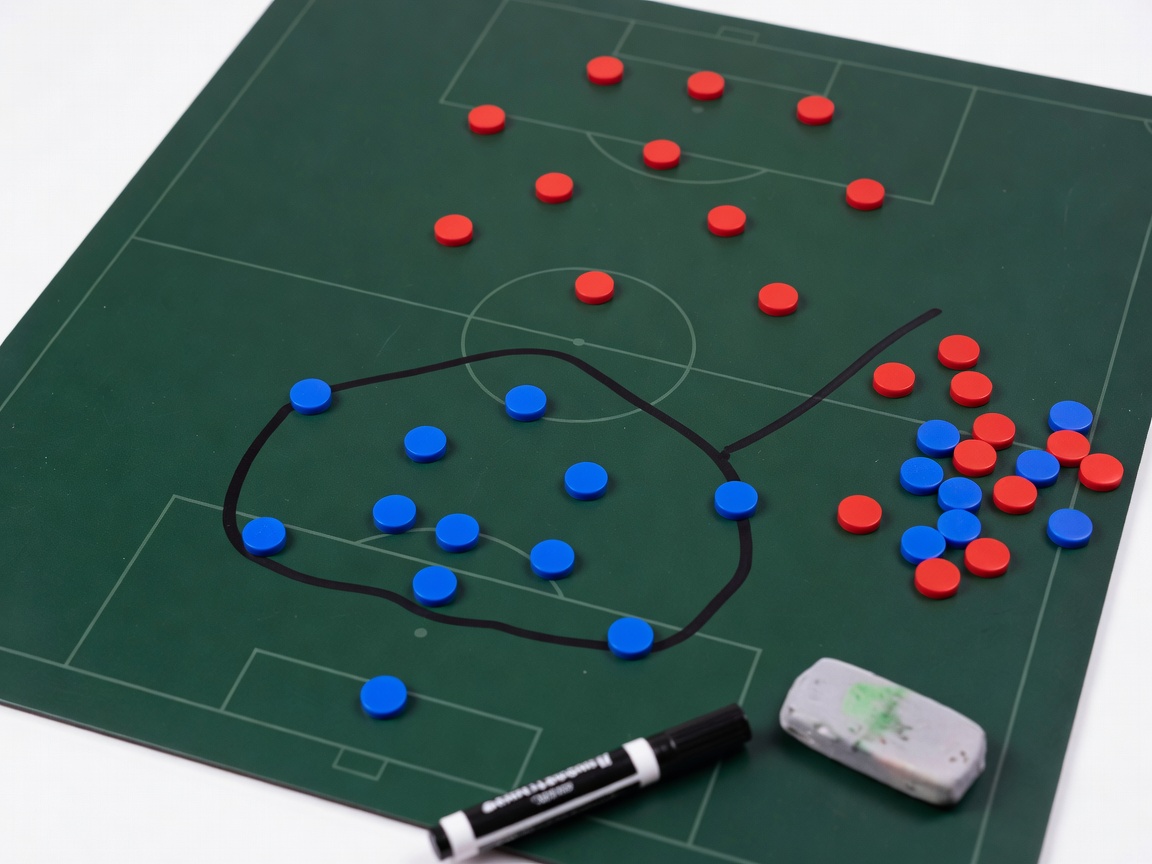
Get ready, football fanatics! The Champions League 2026/2027 season is shaping up to be an absolute belter. We are now heading into the third year of the expanded 36-team "Swiss Model" format, and if the last two seasons taught us anything, it's that this system guarantees relentless drama from matchday one all the way to the knockout phases. Gone are the days of dead-rubber group stage matches in December. Every single goal, point, and card matters in this massive, unified league table.
For those who might still be yearning for the old 32-team, eight-group format, it is time to embrace the chaos. The Swiss system has fundamentally changed how managers approach the autumn schedule. With eight matches against eight different opponents (four at home, four away), squad rotation has become a high-stakes gamble. You can no longer bank on sweeping a minnow twice. You have to prepare for eight totally unique tactical battles.
The Magic Number: Points Needed to Progress
Over the 24/25 and 25/26 seasons, statisticians and data analysts have crunched the numbers. We now know the rough benchmarks for success in this 36-team mega-league. To finish in the automatic progression spots (Top 8), teams generally need to hit the 16-point mark. That essentially means five wins, a draw, and two losses, or an unbeaten run with four wins and four draws. It is an incredibly high bar that punishes slow starts heavily.
For the knockout playoff round spots (teams finishing 9th to 24th), the threshold sits around 9 to 10 points. If a team can secure three wins and a draw, they are usually safe. But hovering around that 24th spot on goal difference on the final matchday? That is where the multi-screen viewing experience becomes mandatory for any true fan.
Pros and Cons of the 26/27 System
Let's look at the reality of this format as we prepare for the opening fixtures:
- Pro - Unprecedented Matchups: We are seeing heavyweights clash in October. Under the old system, a Pot 1 team would rarely face another Pot 1 team until the Spring. Now, the algorithm demands blockbuster fixtures early on.
- Pro - Every Minute Counts: Goal difference is the ultimate tiebreaker in a 36-team table. A 3-0 win is vastly superior to a 1-0 win, encouraging attacking football even in the dying minutes of a decided match.
- Con - Player Fatigue: The addition of two extra matches (eight instead of six) plus the potential two-legged playoff round for teams finishing 9th-24th means a finalist could play up to 17 matches. The physical toll on the athletes is immense.
- Con - Complex Permutations: Trying to explain the table to a casual fan on matchday eight requires a degree in advanced mathematics.
The Knockout Playoff: February's Festival of Football
One of the best additions to the calendar has been the February knockout playoff round. The teams that finished 9th through 16th are seeded and face off against the unseeded teams that finished 17th through 24th. It acts as a thrilling bridge between the league phase and the traditional Round of 16.
We’ve seen massive upsets here in the past two years, where a struggling giant scraping into 22nd place suddenly finds form and knocks out an overachieving side that finished 10th. The tactical adjustments required over these two legs often define a manager's tenure at a club.
Looking Ahead
As we strap in for the 26/27 campaign, keep a close eye on how the top-tier clubs manage their domestic league priorities versus their European ambitions. The expanded Champions League is a beast that demands respect. Whether you love the unified table or long for the groups of four, there is no denying the spectacle it provides.